
Introduction
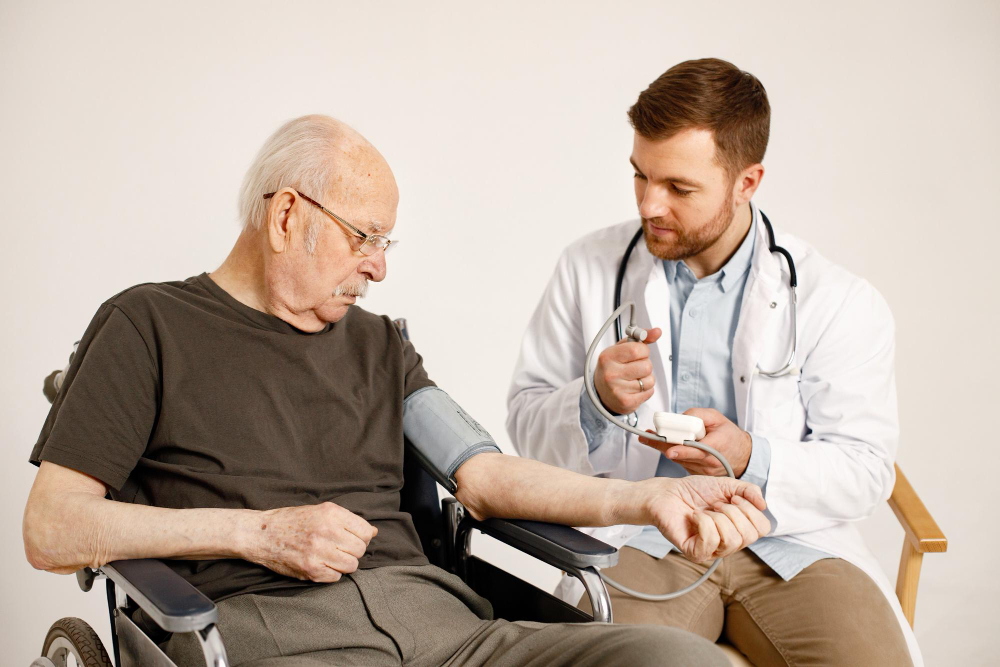
A health check-up for elderly means a full review of a senior’s health. It includes routine medical tests for seniors and preventive health screening for elderly. These check-ups help find health problems early. As people age, regular elderly health assessment becomes more important. Early detection can lead to better treatment and a healthier life. In many cities, clinics offer special packages for seniors. Because of this, more families now choose regular check-ups for their loved ones.
Importance of Regular Health Check-Ups for Elderly
Regular health check-ups for elderly people are very important. As we age, our bodies change. Because of these changes, new health issues can appear. Early check-ups help find problems before they get serious. For example, doctors can spot high blood pressure or diabetes early. This means treatment can start sooner. In addition, regular visits help seniors stay active and independent. They also give peace of mind to families. Most importantly, check-ups can prevent hospital stays by catching issues early.
Common Health Issues in the Elderly
Many seniors face certain health problems more often. Knowing these can help families prepare. Some common health issues in the elderly include:
Because these issues are common, doctors often check for them during elderly health assessments.
Essential Tests and Screenings for Seniors
Routine medical tests for seniors help find health problems early. Some important tests and screenings include:
Doctors may suggest more tests based on family history or location. For example, seniors in urban areas may need extra air quality checks.
How to Prepare for a Health Check-Up
Preparing for a health check-up can make the visit easier. First, make a list of all medicines and supplements. Next, write down any symptoms or changes in health. It also helps to bring past medical records. If possible, wear loose clothing for easy exams. In addition, bring a family member or friend for support. Arrive early to fill out forms. Most importantly, ask questions if you do not understand something. This helps you get the best care.
Preventive Care and Healthy Lifestyle Tips for Elderly
Preventive care is key for seniors. It helps avoid many health problems. Here are some simple tips:
Because these habits support good health, they are part of every elderly health assessment plan.
When to Consult a Doctor
Sometimes, seniors need to see a doctor outside of regular check-ups. For example, sudden pain, chest discomfort, or trouble breathing are warning signs. Also, if you notice confusion, falls, or changes in mood, seek help. In addition, new symptoms like fever or weight loss should not be ignored. Early action can prevent serious problems. Therefore, do not wait if you are worried about your health.
Conclusion
Regular health check-ups for elderly people are vital for a long and healthy life. They help find problems early and support better care. Consult a healthcare specialist at Aruna Clinical Laboratory for personalized elderly health check-up guidance.